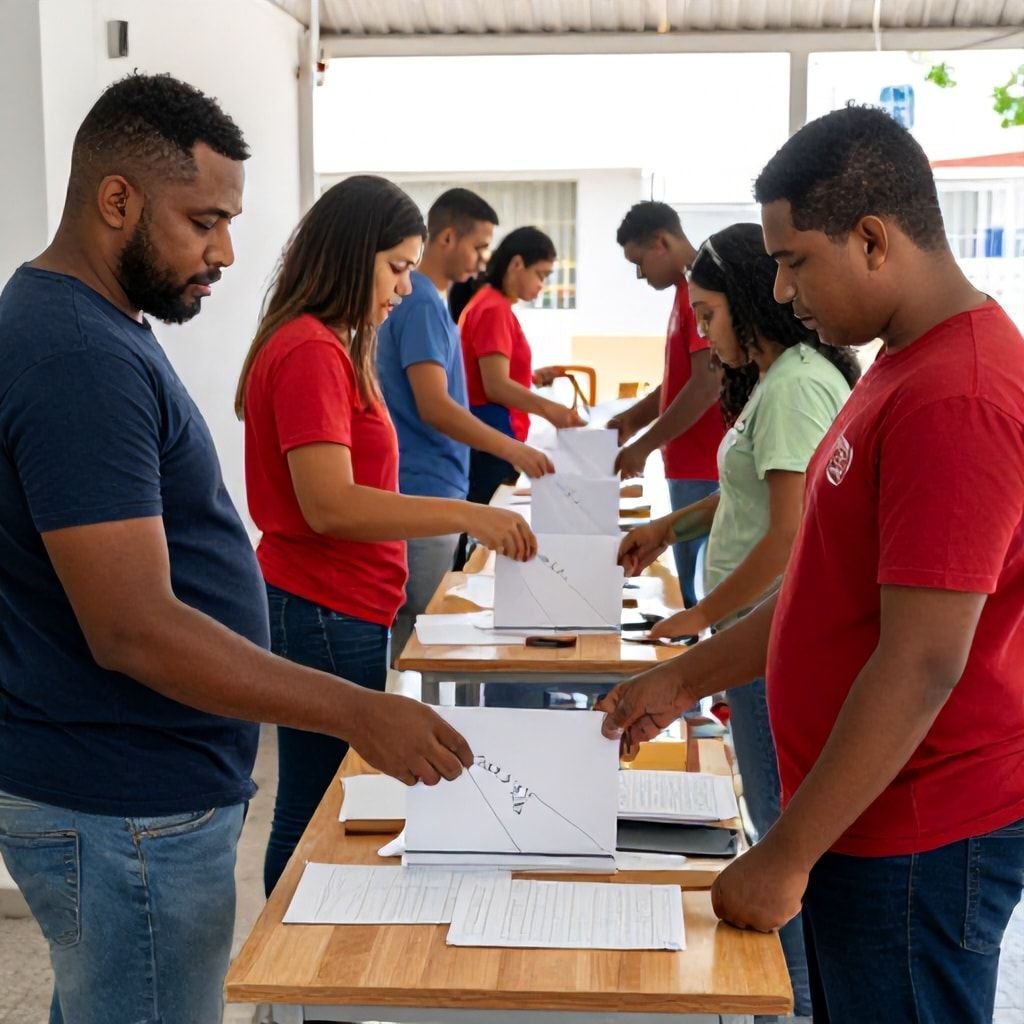
Recently, the eyes of the world turned to Portugal as its citizens headed to the polls for a pivotal presidential election. What many observed was not just another vote, but a remarkable surge in civic participation. Indeed, the latest figures reveal that a significant 45.51% of eligible voters cast their ballots. This isn’t just a number; it represents the highest turnout Portugal has witnessed in two decades, signaling a vibrant re-engagement with the democratic process.
For quite some time, many democracies have grappled with dwindling voter participation. However, Portugal, at least in this recent election, seems to be bucking that trend. Citizens clearly felt a strong pull to have their voices heard, and the atmosphere around polling stations reflected this heightened enthusiasm. Undoubtedly, such robust participation adds immense legitimacy to the outcome and ensures that the elected leader truly represents a broad cross-section of the population. Therefore, understanding the factors behind this surge becomes crucial for political observers and citizens alike.
Why the Record Turnout in Portugal’s Elections?
So, what exactly prompted this impressive display of civic duty? First and foremost, the election was widely described as one of the most contested in recent decades. A close race inherently generates more excitement and often compels more people to vote, as they feel their individual ballot holds greater weight. Furthermore, the political landscape in Portugal has seen various shifts and debates over crucial national issues, thereby creating a sense of urgency among the electorate. Issues ranging from economic stability to social policies likely motivated many to engage actively.
Moreover, modern campaigning strategies might also have played a role. Candidates and parties leveraged social media and grassroots efforts more effectively, reaching out to diverse demographics, including younger voters who sometimes show lower engagement. By making information more accessible and debates more engaging, these campaigns managed to spark interest across the nation. Ultimately, when people feel a direct connection to the issues and believe their vote can make a difference, they are far more likely to participate.
The Impact of High Engagement on Portuguese Democracy
The implications of such a high voter turnout are significant for Portuguese democracy. Firstly, it strengthens the mandate of the elected president. With nearly half the electorate participating, the new leader can claim a stronger popular backing for their policies and vision. This, in turn, can lead to greater stability and more effective governance, as decisions are perceived as having broader public support. Secondly, increased participation often means a more diverse representation of opinions at the ballot box. This helps ensure that the concerns and aspirations of different societal groups are considered.
Conversely, a more engaged electorate can also lead to increased accountability for politicians. When citizens are actively participating, they are also more likely to monitor the performance of their elected officials. This creates a healthy cycle where leaders are motivated to deliver on their promises, knowing that a vigilant public is watching. In essence, these elections showcased a renewed vitality within Portugal’s democratic institutions. The sheer volume of votes cast underscores a public that cares deeply about its future and is prepared to actively shape it.
Looking Ahead: What Does This Mean for Portugal’s Future?
Considering this recent electoral energy, what might the future hold for Portugal? This election could mark a turning point, potentially setting a new standard for voter engagement in upcoming polls, including parliamentary or local elections. If this trend continues, it suggests a more robust and dynamic political environment where citizens feel empowered and connected to their national trajectory. Furthermore, it might encourage political parties to be even more responsive to public sentiment, knowing that a significant portion of the population is actively involved and scrutinizing their platforms.
Ultimately, a healthy democracy thrives on participation. Portugal’s latest presidential election, with its impressive 45.51% turnout, offers a compelling example of a nation embracing its democratic responsibilities with renewed vigor. It serves as a powerful reminder that when issues are clear and races are close, citizens will step up to make their voices heard. As the country moves forward, this heightened engagement promises to be a foundational element of its political landscape, shaping discussions and decisions for years to come.
#PortugalElections #VoterTurnout #PortugueseDemocracy #CivicEngagement #EuropePolitics
Leave a Reply