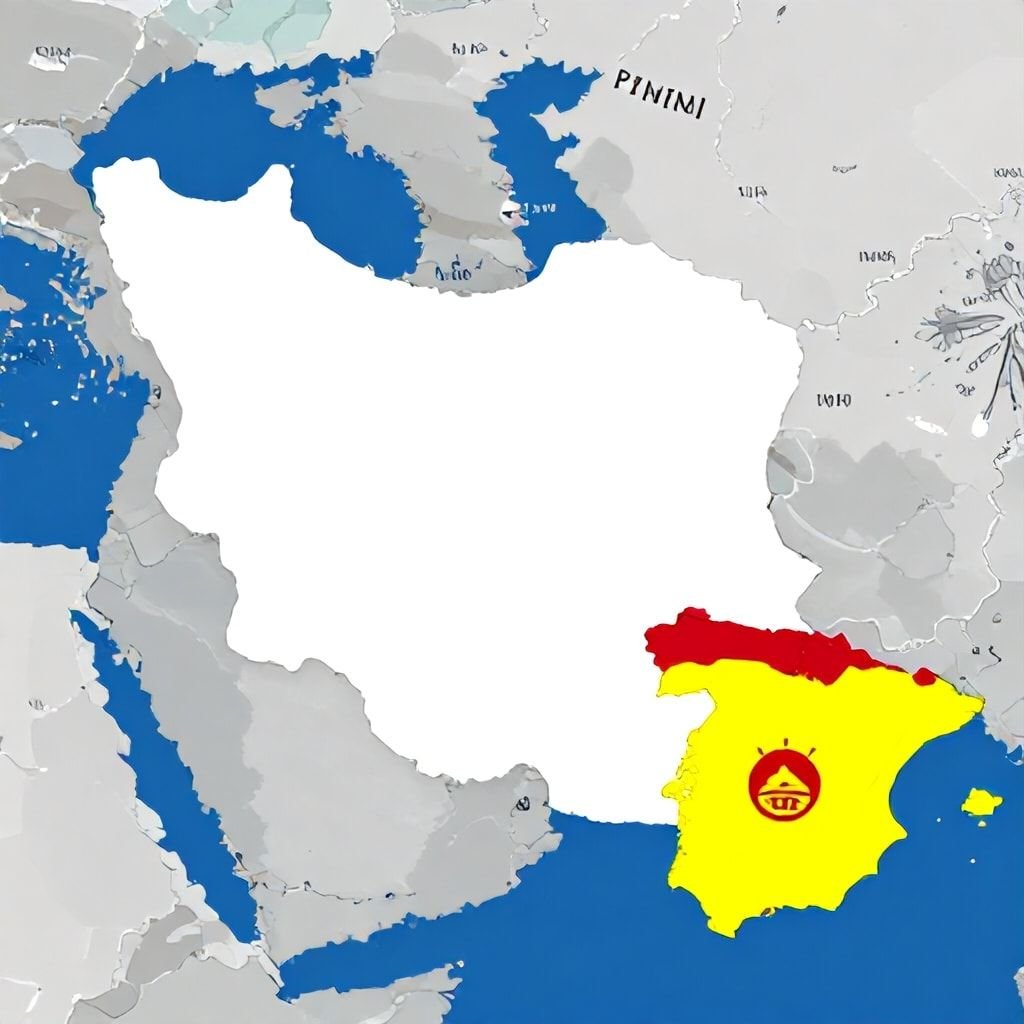
Geopolitical tensions often feel distant. However, their effects can ripple worldwide. Recently, former Argentine Vice President Carlos Ruckauf issued a stark warning. He stated that Iran’s current situation could cause economic crises. Both Argentina and Spain might face severe challenges. This news has certainly caught global attention.
Ruckauf’s Stark Warning: Iran’s Economic Ripple Effect
Ruckauf’s words are a serious wake-up call. He believes the ongoing conflict in Iran is not isolated. Instead, it holds significant international implications. Specifically, he pointed to Argentina and Spain. But how could a crisis in Iran impact these nations so directly? Ruckauf suggests a direct link. Global markets are interconnected. Furthermore, disruptions in key regions affect everyone. This includes commodity prices and trade routes. Argentina relies on global stability. Spain, likewise, depends on steady international relations. An Iranian crisis could easily disrupt these vital flows. It is a clear reminder of our global economy’s fragility.
Is the Ayatollah Regime Nearing Its End?
Many experts are weighing in. They ask if the end of the ayatollah regime is finally near. One expert noted that conflict will continue until the regime falls. This view suggests deep-seated instability. The current unrest in Iran is significant. It highlights growing internal pressures. Historically, such long-term conflicts rarely end quickly. However, the current situation might be different. The expert’s statement implies a critical turning point. It raises questions about future leadership in Iran. Moreover, it sparks discussion about regional power dynamics. For more insights on this complex region, consider visiting the Council on Foreign Relations.
Global Repercussions Beyond Borders
The potential collapse of a major regime is huge. Its consequences extend far beyond its borders. An unstable Iran could impact oil prices significantly. This would directly affect energy-dependent nations. Spain, for example, could see soaring fuel costs. Argentina might face challenges in its export markets. This interconnectedness means no country is truly isolated. Political shifts anywhere can have economic domino effects. Therefore, monitoring these developments is crucial. It helps nations prepare for potential shocks. We must consider every possible outcome. The global community watches Iran closely. What steps should be taken next? We should all ask this question.
Preparing for Economic Uncertainty
Nations need to prepare for global shocks. Diversifying trade partners is one strategy. Strengthening domestic economies is another. Individuals also play a role. Staying informed is key. Understanding these global dynamics helps us all. It allows for better personal financial planning. Nobody wants to be caught off guard. Furthermore, open dialogue is essential. What do you think about Ruckauf’s warning? Share your perspective. Do you agree with the expert’s assessment of Iran?
In conclusion, the situation in Iran is complex. It carries serious potential economic risks for distant countries. Ruckauf’s warning about Argentina and Spain is clear. The ongoing expert discussions about the ayatollah regime underscore this urgency. Therefore, staying updated on these geopolitical events is vital. They shape our world in profound ways. Let’s keep the conversation going. You can find more discussions on international relations on our geopolitics section.
IranCrisis GlobalEconomy RuckaufWarning Geopolitics EconomicImpact
Leave a Reply