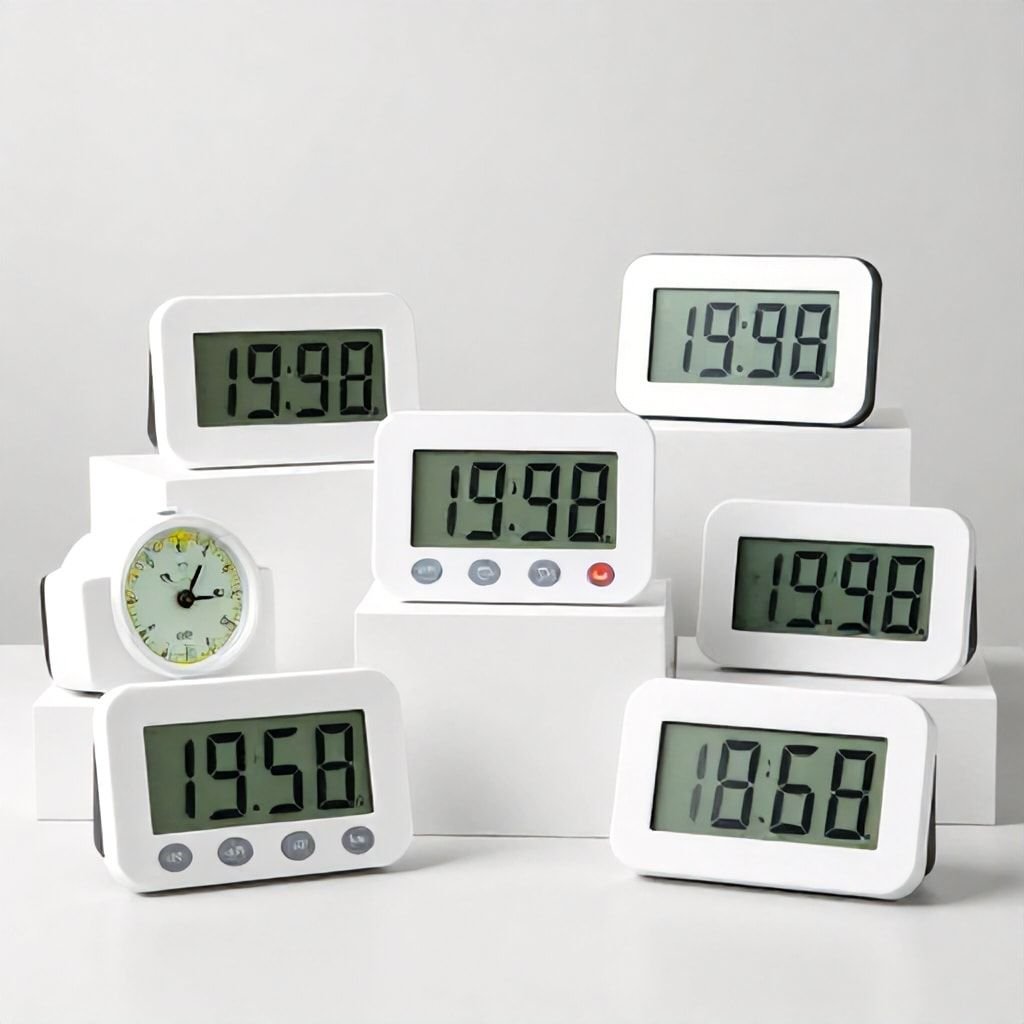
Timers are everywhere. From your kitchen to complex industrial settings, these devices play a vital role. They help us manage time effectively. A new market research report offers exciting insights. This report details the global timer market’s future. It covers trends, revenue, and growth from 2026 to 2032. Indeed, understanding this landscape is crucial for businesses and consumers alike.
Why Timers Matter More Than Ever
Timers are not just simple devices anymore. They are essential in our increasingly automated world. Think about smart homes. Timers regulate lighting and heating systems. In manufacturing, they ensure precise production cycles. Fitness trackers use timers for workouts. Moreover, medical devices rely on exact timing. This widespread application drives continuous innovation. Furthermore, our reliance on structured schedules fuels demand. People want efficiency and convenience. Therefore, timers evolve to meet these needs.
The global timer market is set for significant expansion. This growth stems from several key factors. Automation in industries is a major driver. Also, the rise of smart technologies boosts demand. Consumers seek integrated solutions. These solutions often include advanced timing features. From simple countdowns to complex programming, timers are adapting. This adaptability creates new market opportunities. Ultimately, manufacturers are responding with innovative products.
Key Drivers of Market Growth
Several forces are propelling the timer market forward. Firstly, industrial automation remains a powerful catalyst. Factories need precise timing for assembly lines. This ensures quality and efficiency. Secondly, smart home adoption is booming. People use timers for security, energy saving, and convenience. Thirdly, the health and wellness sector increasingly relies on timers. Exercise routines and medication reminders are prime examples. Consequently, demand is growing across diverse sectors.
Emerging Technologies Shaping the Future
Technology continues to transform timers. We are seeing exciting advancements. AI-powered timers can learn user habits. Voice-activated devices offer hands-free control. Furthermore, the Internet of Things (IoT) connects timers seamlessly. Imagine a timer that starts your coffee maker when your alarm goes off. These innovations make timers more intelligent. They also make them more integrated into daily life. This trend will only accelerate in the coming years. Therefore, staying informed is key.
Revenue Forecasts and Opportunities
The market report predicts robust revenue growth. This positive outlook attracts new players. Established manufacturers are also investing heavily. Significant opportunities exist for innovation. For instance, specialized timers for niche markets could thrive. Consider timers for gardening or scientific research. Moreover, software-based timing solutions are gaining traction. These digital timers offer flexibility. They can integrate with various platforms. “These insights help us plan our product roadmap,” says a leading tech industry analyst. This shows the value of market intelligence.
Challenges and Considerations
Despite the growth, challenges exist. Intense market competition is one factor. Manufacturers must differentiate their products. Rapid technological changes can also lead to obsolescence. Furthermore, security for smart timers is crucial. Protecting user data is paramount. Companies must address these concerns proactively. Indeed, consumer trust is vital for long-term success. Addressing these issues will ensure sustainable growth.
The global timer market is dynamic and promising. Its evolution reflects broader technological trends. From industrial precision to personal convenience, timers are indispensable. Stay ahead of the curve. Explore the latest timer solutions available. For more details on market trends, check out Statista’s market insights. Also, discover how smart devices are changing homes on our Smart Home Integration post. What timer innovations excite you most? Share your thoughts!
#TimerMarket #GlobalTrends #SmartHome #IndustrialAutomation #FutureTech #IoT
Leave a Reply